The Importance of Power Transmission Components in Industrial Machinery
November 17, 2025

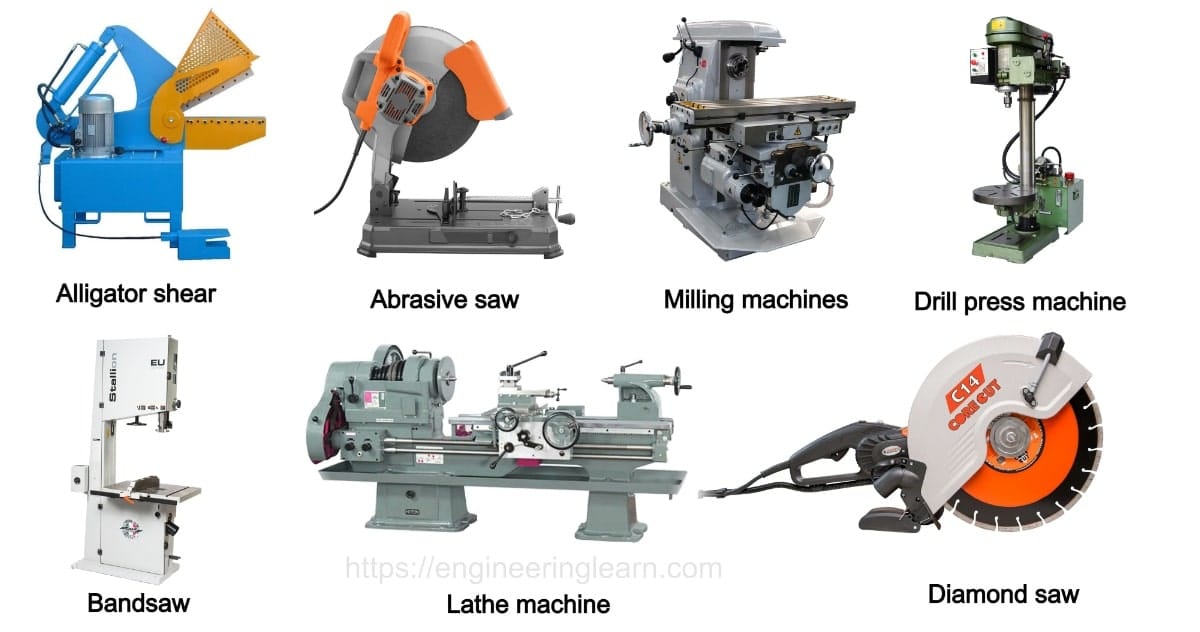
Selecting the right cutting tools is one of the most important decisions for any machine shop. Accurate cuts, smooth finishes, long tool life, and efficient production all depend on choosing tools that match your materials, machines, and machining conditions. The better your tool selection, the better your productivity and profitability.
Cutting tools are used across CNC machining, milling, drilling, turning, and fabrication processes. Each type of tool is engineered for specific materials and operations. Understanding the differences helps machine shops reduce tool failure, improve part quality, and maintain consistent performance.
One of the first things to consider is the material you are machining. Hard materials like stainless steel or titanium require stronger, heat-resistant tools, while softer materials like aluminum or plastic can be cut with faster speeds and more flexible tool options. Matching the cutting tool material to the workpiece prevents wear and improves efficiency.
Tool material is another major factor. High-speed steel (HSS) tools are cost-effective for general use but may wear out faster under heavy loads. Carbide tools, on the other hand, offer exceptional heat resistance, hardness, and durability—making them ideal for high-speed machining and hard materials. Carbide tools often last several times longer than HSS.
Coatings also play a critical role in tool performance. Titanium Nitride (TiN), Titanium Aluminum Nitride (TiAlN), and Diamond-like Carbon (DLC) coatings reduce friction, prevent heat buildup, and extend tool life. Coated tools can run at higher speeds and are especially valuable for long production runs or abrasive materials.
The geometry of the tool—including flute design, helix angle, and cutting edge shape—directly affects the quality of your cut. Tools with higher helix angles are ideal for aluminum and softer metals, while lower helix angles provide strength for harder materials. Proper geometry helps remove chips faster and prevents tool breakage.
Chip evacuation is often overlooked, yet it is essential for machining efficiency. Tools designed with optimized flute shapes allow chips to exit smoothly, reducing friction and preventing overheating. Poor chip control can lead to tool failure, rough finishes, and dimensional inaccuracies.
Choosing the right cutting speed and feed rate is also key. Different materials require different speeds to achieve the ideal balance between tool life and cutting quality. Running a tool too fast can burn the edges, while running too slow can increase pressure and cause chipping. Machine shops benefit greatly from referencing speed/feed charts.
Tool holding systems are another important consideration. A high-quality tool holder ensures minimal vibration, better concentricity, and improved accuracy. Even the best cutting tool will perform poorly if it is held loosely or misaligned. Precision tool holders help extend tool life and enhance surface finish.
It’s also important to consider the rigidity of your machine. Older machines or lighter CNC models may not support aggressive cutting parameters. In such cases, tools with stronger geometries and slower speeds may produce better results. Matching the tool to the machine’s capability helps avoid chatter and tool wear.
For drilling operations, selecting the right drill point angle can significantly improve performance. Standard 118° drills work well for general materials, while 135° split-point drills are ideal for harder metals and reduce walking at the start of drilling. Using the right drill type improves accuracy and reduces rework.
End mills are crucial for milling operations, and choosing between 2-flute, 3-flute, and 4-flute options depends on the material. Aluminum typically requires fewer flutes for better chip removal, while steel benefits from more flutes for improved stability. The correct flute count ensures smoother cutting and longer tool life.
Inserts are widely used in turning and milling. Selecting the proper insert shape, grade, and chipbreaker ensures better control, especially in high-volume machining. Inserts allow shops to change cutting edges quickly, reducing downtime and improving productivity.
Machine shops should also consider the cost-to-performance ratio. While premium carbide tools offer longer life, they may not always be necessary for short runs or soft materials. Balancing tool cost with application needs ensures maximum value without overspending on unnecessary tool performance.
Finally, proper tool maintenance is essential. Clean tools, accurate storage, and routine inspections help prevent early wear and maintain quality. Keeping tools organized and protected reduces breakage and ensures your machining operations stay smooth and efficient.
Choosing the right cutting tools is a combination of understanding materials, machine capability, tooling options, and machining conditions. With the right approach, machine shops can dramatically improve accuracy, productivity, and profitability—ensuring every cut meets the highest standard.