The Importance of Power Transmission Components in Industrial Machinery
November 17, 2025

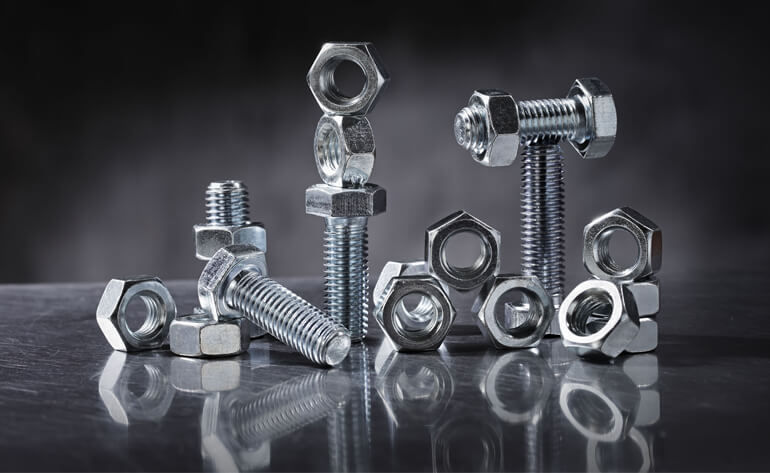
Industrial fasteners may look small, but they hold the entire industrial world together. From machinery assembly to construction and fabrication work, fasteners ensure stability, safety, and long-lasting performance. The strength and durability of a project often depend on choosing the right fastener for the job.
Fasteners are generally divided into four main categories: screws, bolts, nuts, and washers. Each has specific features, functions, and advantages depending on the application. Understanding these basics is essential for selecting the right fastener and preventing failures.
Screws are among the most widely used fasteners across all industries. Designed to create their own thread as they are driven into material, screws provide a secure and tight hold without requiring a pre-threaded hole. This makes them ideal for applications where installation speed and stability matter.
Screws also come in various head types—such as flat, pan, round, and hex—which affect how they sit against the material. The drive style, like Phillips, Torx, slotted, or hex, determines how easily a screw can be installed and how well it resists stripping under pressure.
Bolts are different from screws because they require both a nut and often a washer to complete the fastening system. They are designed for applications where high clamping force, precision, and strength are necessary. Bolts pass through pre-drilled holes, making them suitable for metalwork, heavy machinery, and structural components.
Bolt strength varies by grade, and selecting the right grade is essential for safety. Common grades such as Grade 5 and Grade 8 are used in automotive and industrial environments where parts must endure high stress. Choosing the proper bolt ensures the joint stays strong even under vibration, temperature changes, and heavy loads.
Nuts accompany bolts to lock components securely in place. They come in several varieties, such as hex nuts, lock nuts, flange nuts, and wing nuts. Each type serves a unique purpose, whether it’s resisting loosening, distributing pressure, or allowing tool-free tightening.
Lock nuts are especially valuable in high-vibration applications. Whether using nylon-insert lock nuts or all-metal lock nuts, these fasteners help prevent loosening and ensure long-term stability in machinery, engines, and industrial equipment.
Washers may be small, but they play an important role in creating durable fastening systems. Positioned between a nut or bolt head and the material surface, washers distribute load evenly, reduce wear, and help prevent surface damage.
Different washers serve different purposes. Flat washers spread load, lock washers prevent loosening, and spring washers add tension to the joint. Choosing the correct washer maximizes joint strength and improves longevity.
Material selection is one of the most important considerations in fastener selection. Stainless steel offers excellent corrosion resistance, making it ideal for outdoor, chemical, and marine environments. Carbon steel and alloy steel provide superior strength for heavy-duty applications.
Fastener coatings add another layer of protection. Zinc plating, galvanization, and black oxide coatings prevent corrosion, extend the fastener’s lifespan, and protect the joint in harsh industrial settings. Choosing the right combination of material and coating ensures reliability.
Thread type also matters. Coarse threads are better for fast installation and resistance to stripping, while fine threads offer higher tensile strength and precision. The correct thread ensures compatibility with the material and application requirements.
Proper installation is just as important as selecting the right fastener. Over-tightening can break bolts or strip threads, while under-tightening can weaken joints and create safety hazards. Using torque tools helps ensure consistent and accurate fastening.
Industrial fasteners play a key role in preventing equipment breakdowns and maintaining safe, reliable operation. When chosen and installed correctly, they significantly extend machinery life and reduce maintenance issues.
Overall, screws, bolts, nuts, and washers form the backbone of industrial assembly. Understanding their types, materials, coatings, and best practices helps businesses achieve long-term performance, safety, and durability. With the right fasteners, your equipment—and your operations—stay stronger for longer.