The Importance of Power Transmission Components in Industrial Machinery
November 17, 2025

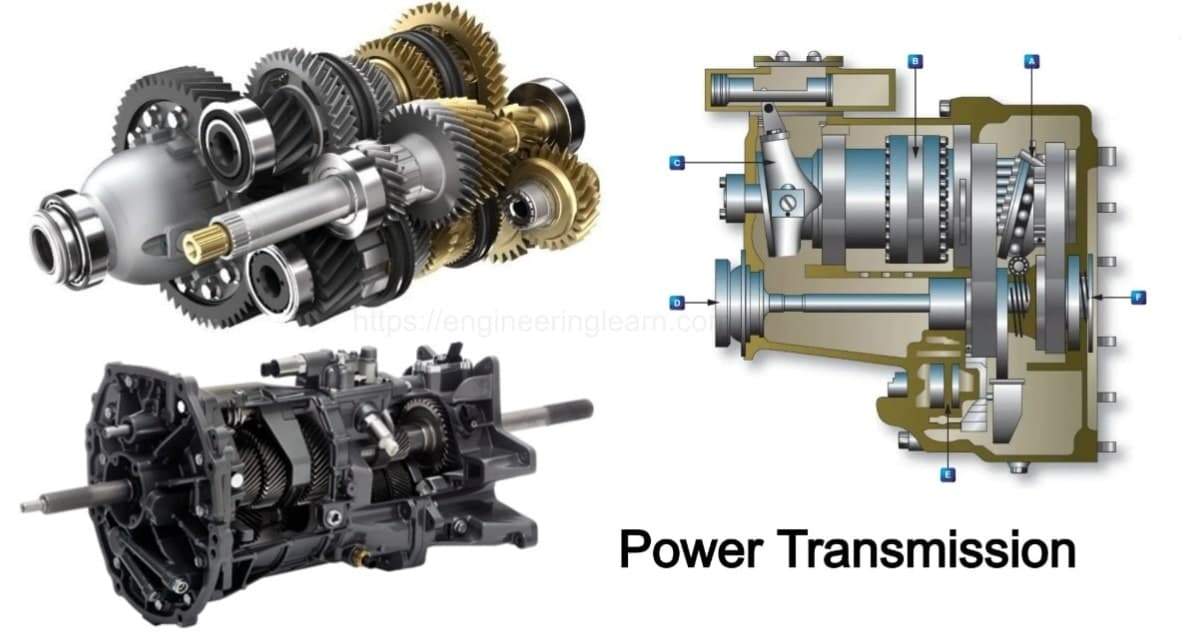
Power transmission components are the backbone of industrial machinery. These parts ensure that energy generated from a motor or engine is transferred efficiently to the machine’s working components. Without reliable power transmission systems, even the best industrial equipment cannot perform effectively or consistently.
Industrial machinery depends heavily on smooth, precise, and efficient motion. Power transmission components such as bearings, belts, chains, pulleys, gears, and couplings play a crucial role in converting energy into movement. When these components function properly, machines run reliably, safely, and with minimal downtime.
Bearings are among the most essential power transmission elements. They reduce friction between moving parts, support loads, and enable rotational or linear motion. High-quality bearings improve machine efficiency, reduce heat buildup, and extend the service life of equipment, making them indispensable in manufacturing environments.
Belts and pulleys are widely used in conveying systems and equipment where smooth mechanical power is required. They provide flexible, quiet operation and are easy to maintain. When belts are correctly tensioned and aligned, they deliver stable performance and prevent slippage that could interrupt production.
Chains and sprockets are ideal for applications requiring high torque and durability. Chain systems are strong, reliable, and resistant to harsh conditions. They offer excellent power transfer and are commonly used in heavy-duty machinery, conveyors, and material-handling equipment.
Gears are another critical power transmission component. They enable precise control of speed and torque, allowing machines to operate at optimal performance levels. Gear systems must be designed carefully to ensure compatibility, strength, and efficiency. Poorly matched gears can lead to noise, vibration, and premature failure.
Couplings connect rotating shafts and compensate for slight misalignments. These small components protect machinery from stress and vibration. Flexible couplings reduce shock loads and noise, while rigid couplings provide strong, fixed connections. Choosing the right coupling prevents damage and improves operational stability.
Proper alignment is vital in any power transmission system. Misalignment can lead to increased wear, heat generation, vibration, and energy loss. Regular inspection and correction of alignment help maintain equipment efficiency and prolong component life.
Lubrication plays a crucial role in the performance of power transmission components. Bearings, gears, and chain systems rely on proper lubrication to reduce friction and prevent overheating. Using the right lubricant and maintaining a consistent schedule helps prevent breakdowns and reduces maintenance costs.
Environmental factors also influence the performance of power transmission components. Dust, moisture, chemicals, and extreme temperatures can cause premature wear or failure. Selecting components with proper sealing, materials, and protective coatings ensures long-term durability even in harsh industrial conditions.
Routine maintenance is essential for keeping power transmission systems in peak condition. This includes inspecting for wear, tightening loose components, replacing worn parts, and ensuring proper lubrication. Regular maintenance not only prevents costly breakdowns but also improves the overall efficiency of machinery.
The efficiency of power transmission components directly affects the energy consumption of industrial equipment. Well-maintained systems require less power to operate, reducing operational costs and improving sustainability. Efficient components ensure that machinery delivers maximum output with minimum energy waste.
Machine downtime can be extremely costly in industrial operations. High-quality power transmission components help prevent unexpected failures and minimize disruptions. By investing in reliable parts, businesses reduce unplanned outages and maintain consistent workflow.
Choosing the right power transmission components requires considering load capacity, operating speed, environmental conditions, and compatibility with existing machinery. Partnering with a trusted industrial supplier ensures access to high-quality, durable components that match your equipment needs.
In conclusion, power transmission components are fundamental to the performance, reliability, and efficiency of industrial machinery. When properly selected, installed, and maintained, these components support smooth operation, prevent breakdowns, and extend the lifespan of machinery. Investing in quality power transmission solutions is an investment in productivity, safety, and long-term operational success.