The Importance of Power Transmission Components in Industrial Machinery
November 17, 2025

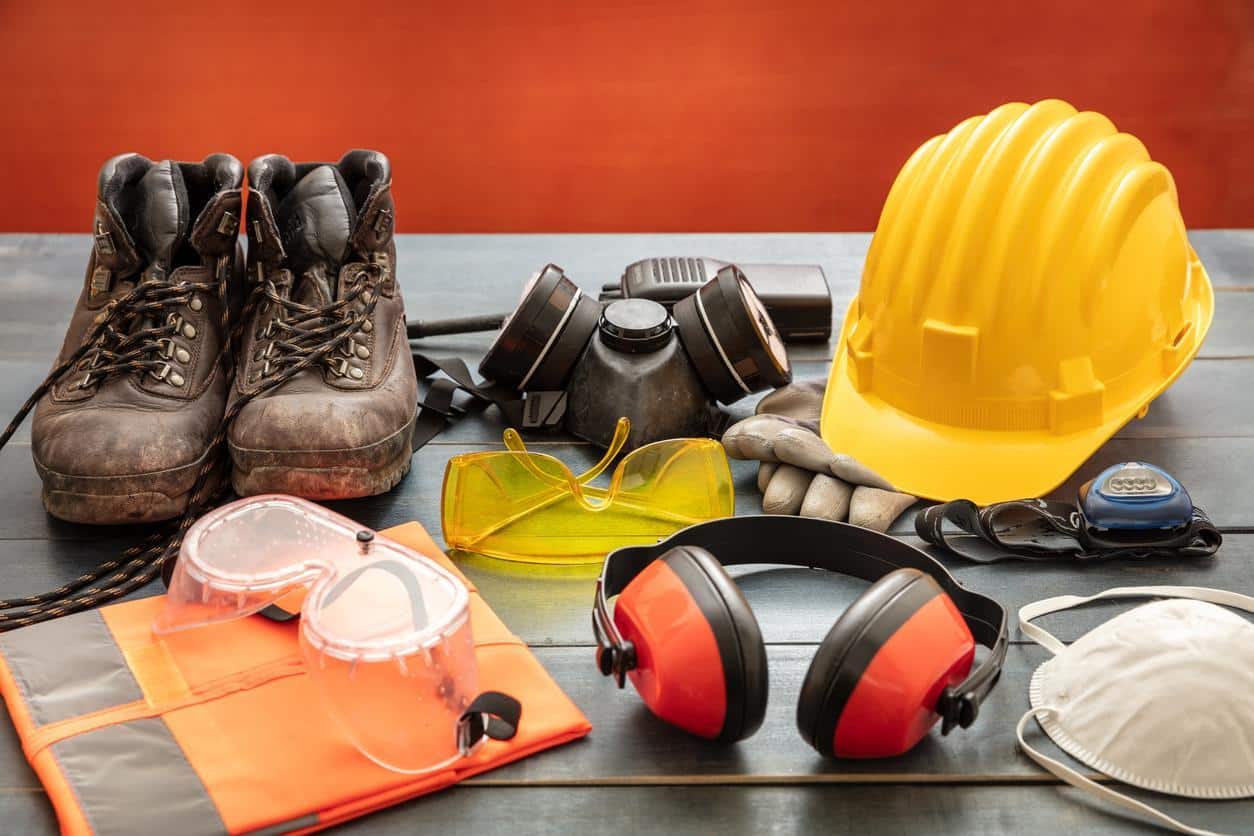
Personal Protective Equipment (PPE) is one of the most important safety components in any industrial environment. Whether workers are operating machinery, handling chemicals, or performing heavy-duty tasks, PPE forms the first line of defense against accidents and injuries. High-quality PPE not only protects but also improves productivity and confidence on the job.
The purpose of PPE is simple: to reduce exposure to workplace hazards. Industrial workplaces often involve risks such as sharp tools, heavy objects, chemicals, high temperatures, dust, noise, and moving equipment. Without proper protective gear, even small mistakes can turn into serious injuries.
Quality PPE ensures that workers are protected consistently, not just occasionally. Poor-quality or worn-out protective gear can fail during critical moments, leaving workers vulnerable to danger. Reliable equipment makes a major difference in environments where safety cannot be compromised.
One of the most common types of PPE is protective gloves, used in almost every industrial operation. Gloves protect hands from cuts, heat, chemicals, abrasion, and impact. Choosing the right glove for the right task ensures workers can perform tasks confidently without risking injury.
Safety goggles and face protection are equally essential. In environments with flying debris, sparks, or chemicals, eye protection is a must. High-grade goggles prevent small particles from entering the eyes, while face shields protect against splashes or heavy-impact risks.
Head protection is mandatory in most industrial areas. Helmets and hard hats safeguard workers from falling objects, collisions, and electrical hazards. A well-designed safety helmet can absorb shock and reduce the impact of workplace accidents, preventing life-threatening injuries.
In jobs involving hazardous chemicals or airborne contaminants, respiratory protection becomes critical. Masks, respirators, and filters protect workers from inhaling fumes, dust, smoke, and toxic gases. High-quality respiratory PPE ensures clean breathing air, especially in industries like painting, welding, or chemical manufacturing.
Hearing protection is often overlooked but extremely important. Prolonged exposure to loud machinery and equipment can cause long-term hearing loss. Earplugs and earmuffs help reduce noise levels, preserving workers’ hearing health and allowing them to work comfortably.
Protective clothing, including coveralls, aprons, and flame-resistant suits, plays a major role in high-risk environments. These garments shield workers from heat, chemicals, sparks, and sharp edges. High-quality fabric ensures durability, comfort, and long-lasting protection.
Foot protection also matters in industrial settings. Safety shoes with steel toes, anti-slip soles, and puncture-resistant bases protect workers from falling objects, slippery floors, and sharp surfaces. Proper footwear helps prevent common workplace accidents like slips, trips, and falls.
Quality PPE also improves workplace morale. When workers feel safe and protected, they are more confident, more focused, and more efficient. Good PPE reduces stress and allows employees to perform their tasks without fear of injury, which boosts overall productivity.
Poor-quality PPE can lead to major risks. Faulty gloves, weak helmets, or low-grade goggles may give a false sense of security. Equipment that breaks easily or fits improperly can cause accidents instead of preventing them. Investing in high-quality PPE ensures consistent performance under real-world conditions.
Regular inspection and replacement of PPE are just as important as buying good equipment. Over time, protective gear wears out, becomes damaged, or loses effectiveness. A proper maintenance schedule ensures every worker always has the right level of safety.
Employers play a crucial role in promoting PPE usage. Providing training, enforcing safety rules, and encouraging a strong safety culture helps workers understand why PPE is important and how to use it correctly. Workplace safety starts with awareness and responsibility.
In conclusion, PPE is not just equipment—it’s a critical part of every industrial safety system. High-quality PPE protects workers, reduces workplace injuries, and ensures long-term operational efficiency. By investing in reliable protective gear, industries can create a safer working environment and support the well-being of their team.